
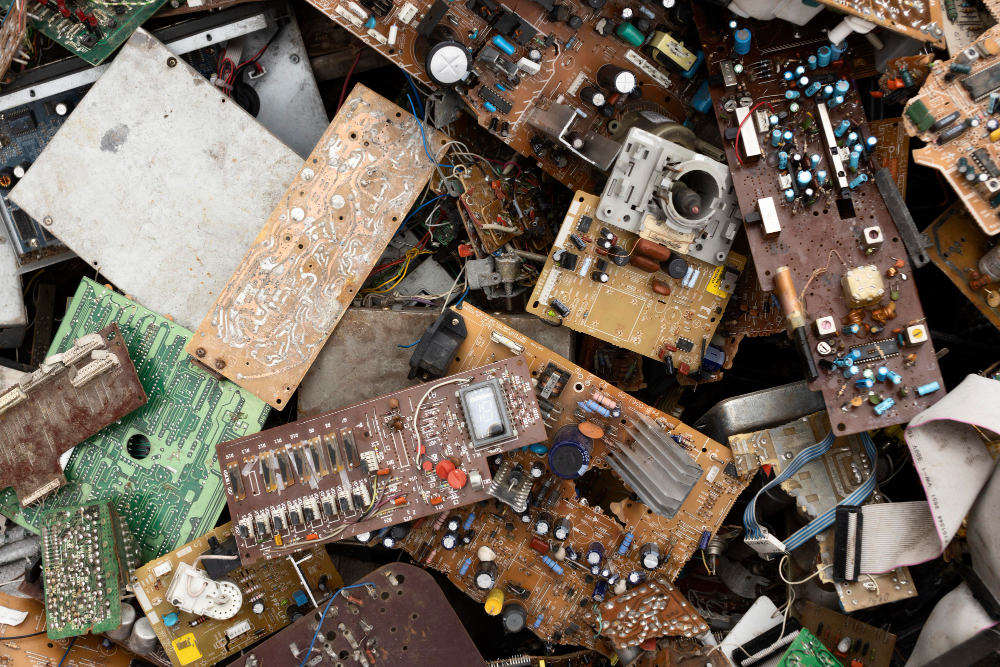
Electronic waste is one of the fastest-growing waste streams worldwide due to shortened product lifespans and society’s penchant for new high-tech gadgets. Electronics often contain toxic chemicals and metals which pose health hazards when improperly discarded – potentially harming humans as well as the environment.
Recycling electronics is the safest way to dispose of them responsibly. Most common electronics can be recycled safely, including computers, cell phones and printers.

Donate
Electronic waste has become a serious environmental and public health concern, as its toxic chemicals and metals pose risks when improperly discarded. To limit any environmental harm from old electronics equipment being donated or recycled improperly, businesses should donate or recycle old electronics whenever possible – there are various options for doing this such as local electronics recycling services that specialize in dismantling old electronics and separating usable materials from hazardous waste; some can even perform data destruction to ensure no traces of personal information remain behind.
Computers, printers, cell phones and tablets can all be donated for reuse by charities and nonprofit organizations such as Goodwill Dell Reconnect, Goodwill Computers with Causes and Cell Phones for Soldiers. Some even provide free shipping – an excellent solution for large businesses that have an excess of equipment they want to dispose of. Other electronics may even be sold online auction sites or directly for cash purchase.
Westchester residents have access to electronic waste collection events hosted by cities, counties and other organizations that allow them to safely dispose of old electronic equipment in designated drop-off locations in their communities. Many local governments partner with electronics manufacturers and retailers who set up electronic waste drop-off locations at their stores – which can make e-waste collection much simpler for locals while helping reduce landfill waste.
Your community center or school library should also offer drop-off locations for electronics waste. These centers often work with national non-profit organizations like Goodwill Dell Reconnect, Computers with Causes, and Salvation Army that collect and distribute used electronics – these organizations may help you donate used electronic equipment directly to individuals who may use it for employment, schoolwork or staying connected with family and friends.
Certain electronics, including older cathode ray tube TVs and monitors, contain hazardous materials that could pose a threat to both people and the environment if improperly discarded. They could even cause fires and explosions if left in landfills without being properly recycled; for this reason it’s wise to seek recycling services through certified facilities to avoid unnecessary risks.
Recycle
Most households have an accumulation of old electronics lying around the house, from laptops and cell phones to old toys like Nintendo GameCube systems and more. Though often neglected and left gathering dust, these devices can still be put to good use by donating or recycling them; electronics depreciate quickly so sooner you take action the more money you will receive in return.
Many retailers provide electronics recycling programs, such as Best Buy’s Call2Recycle program which offers drop boxes in stores to collect cellphones and rechargeable batteries for free recycling. Some manufacturers also provide trade-in programs; call or check online to see if your manufacturer has one; use the What Goes Where tool on Recycle Coach app, or get in touch with your household hazardous waste program to find out more information.
Donating electronics can have multiple positive impacts for the environment, community and people who make these products. Donation Town offers services that make donating easier by connecting you with local charities who accept used electronics; other organizations focus on specific causes, like providing overseas troops with pre-paid mobile phones or encouraging fitness through donated fitness trackers.
Before giving away old electronics for recycling, it is essential that all personal data on them be deleted. A magnetic media degausser can easily erase traditional hard drives while solid-state drive destruction (crushing, shredding or disintegration) can be achieved using most office and home paper shredders.
The 2015 ban on disposing of electronic waste at landfills and waste-to-energy facilities, along with curbside trash containers, has reduced the amount of e-waste found in municipal garbage cans; however, much still ends up at these places or regular landfills where its harmful substances could leak into soil and water sources.
For optimal protection, avoid disposing of electronic waste in the garbage cans as soon as it becomes accessible to moisture, sunlight and heat. Many materials containing potentially toxic substances could leak harmful toxins into the environment if exposed.
Dispose of Curbside Collection
An ever-expanding tech industry creates an abundance of electronics that are difficult to dispose of properly. Not only are some items bulky and difficult to transport to landfill sites, they may contain toxic materials which need to be handled carefully. Luckily, residents in NYC can take advantage of many free recycling programs offered by manufacturers; retailers like Best Buy and Home Depot (for portable rechargeable batteries) offer drop-off sites; while Salvation Army or Vietnam Veterans of America accept working TVs and computers.
Be mindful that some local recycling facilities have strict requirements regarding which electronics they accept for recycling, and may have limits on how many you can bring at once. Therefore, it’s wise to call ahead and inquire as to their policies in order to plan your trip appropriately.
Sustainable Electronics Recycling International offers independent certification of electronics recycling facilities that practice responsible procedures to safeguard workers, the environment and natural resources. You can search locally by entering your ZIP code on either Computer Technology Association’s Recycle Locator or Earth911’s extensive online database of certified recycling facilities.
Many municipalities across the US have stringent laws regarding e-waste disposal, often prohibiting its disposal in landfills. Because electronics contain toxic elements like lead, mercury and cadmium that pollute air, soil and water resources. Recycling old devices helps remove these substances from the environment while conserving energy and resources required to create new products.
If you need to get rid of electronics quickly, hiring a junk removal company is one way of disposing of them efficiently. Just ensure it’s part of a larger project that includes appliances, furniture and any other large household items you have lying around.
Governments at all levels need to implement laws that promote e-waste recycling, encourage manufacturers to produce greener devices, and prevent its shipment overseas for dismantling by unpaid, often child laborers.
Household Hazardous Waste Facility
To safely and conveniently dispose of electronics, take them to a household hazardous waste facility operated by municipal governments or private organizations. You can locate one by contacting your city’s public works department or searching online for household hazardous waste locations near you. Household hazardous waste facilities offer an easier and safer option than curbside collection or dumpster disposal and should always be considered first before any other method.
Most household hazardous waste (HHW) materials are toxic, corrosive or flammable and must be handled carefully to avoid leaching into ground water or polluting the air. To properly dispose of your chemicals in an area without an HHW facility, store them safely in their original containers on high shelves or locked cabinets so children and pets cannot reach them; make sure the labels remain on them!
Many household goods (HHW) can be reused or recycled, donated to friends or community organizations or even reused at work. Common examples of products that can be recycled or donated include latex- and oil-based paints, solvents and batteries; latex and oil-based paints, solvents and batteries from latex printers; latex paint, battery acid; automotive products including motor oil, antifreeze and auto batteries; pool products and cleaning solutions. If in doubt about reuseability, consult the recycling guide in your county and reach out if necessary –
Most people throw away old electronics when they no longer work, yet often these e-waste materials end up in landfills or incinerators where they pose risks to both human and environmental health. Some municipalities now provide drop-off sites while some even collect them directly from homes free of charge.
Many towns and cities now accept electronic devices for recycling as a result of legislation, voluntary programs, and community efforts. You can visit DEEP’s Household Hazardous Waste Programs and Collection Schedule website for a list of participating towns; call your town’s waste management department for information regarding any COVID restrictions or details for attending collection events or facilities in person.

Rebecca is a technical writer with expertise in drilling operations, offshore engineering, and innovations in petroleum extraction.